
Outdoor Education in Taiwan: CTBC School’s 3-Day Miaoli Learning Journey
3 Days of activities in tongxiao,miaoli
This past March, we had the privilege of hosting 14 Grade 6 students from CTBC International School on a 3-day, 2-night outdoor education trip in the tranquil mountains of Tongxiao, Miaoli — a region in Taiwan known for its strong Hakka cultural heritage. What unfolded was more than just a school trip — it was a fully immersive experience in growth, independence, and connection. No distracting phones or computers. Just present students immersed in nature, challenge, and real hands-on learning happening outside of the traditional classroom.
Sometimes the most meaningful learning happens in the forest, around a campfire, or while working through challenges as a team in nature. Our goal this trip was to give students the opportunity to decompress from their busy schedules and celebrate their achievements as they hit another milestone in their education.
Day 1
Slowing Down & Connecting to Nature
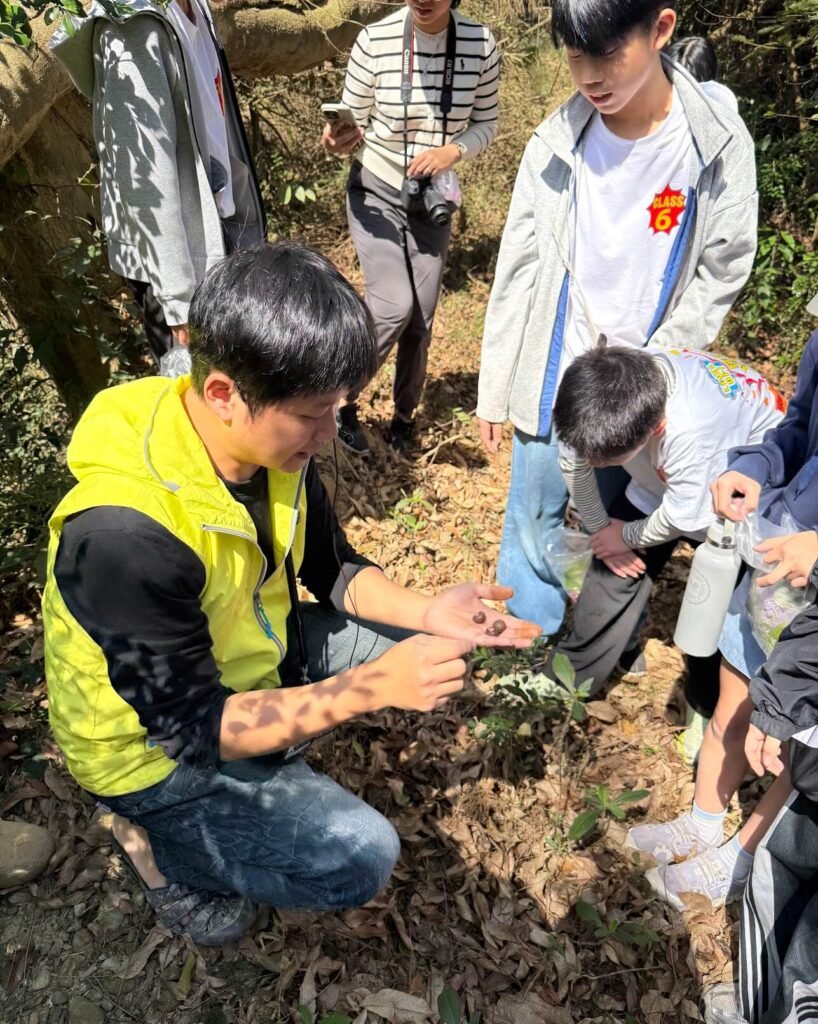
The trip began with a gentle transition into the outdoor environment, settling their minds and bodies, as the students explored the surrounding ecosystem through a guided nature hike, learning about local flora and historic trails.
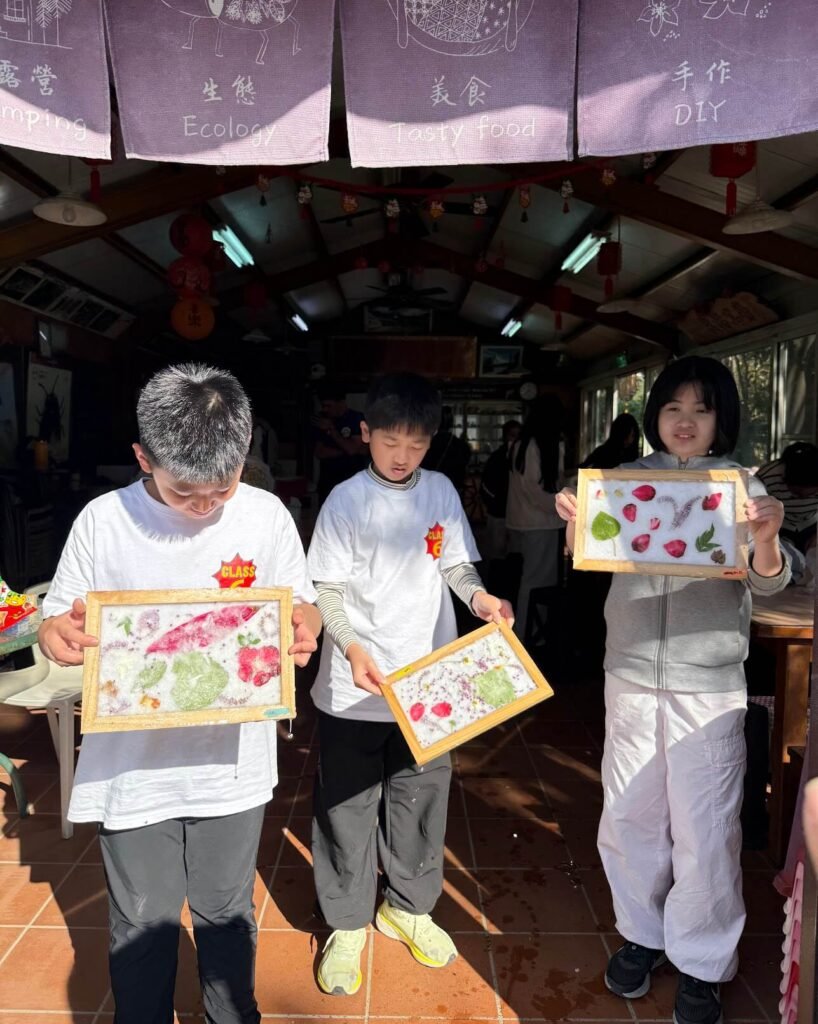
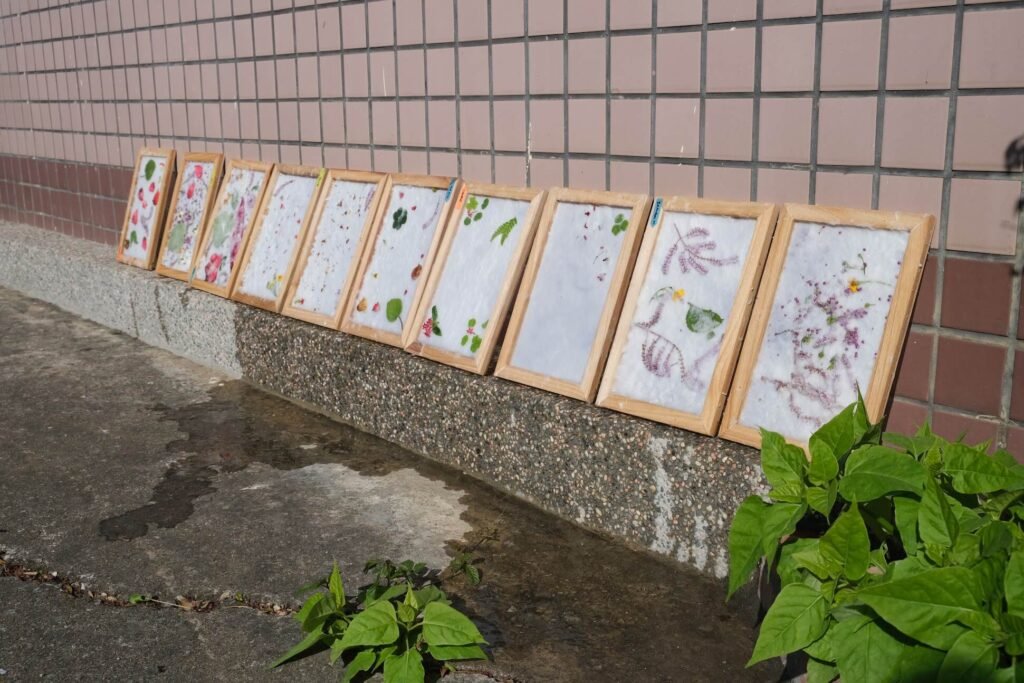
They then transformed materials they collected into handmade paper as they incorporated their found materials into the paper pulp — a creative way to connect their observations with a physical manifestation.
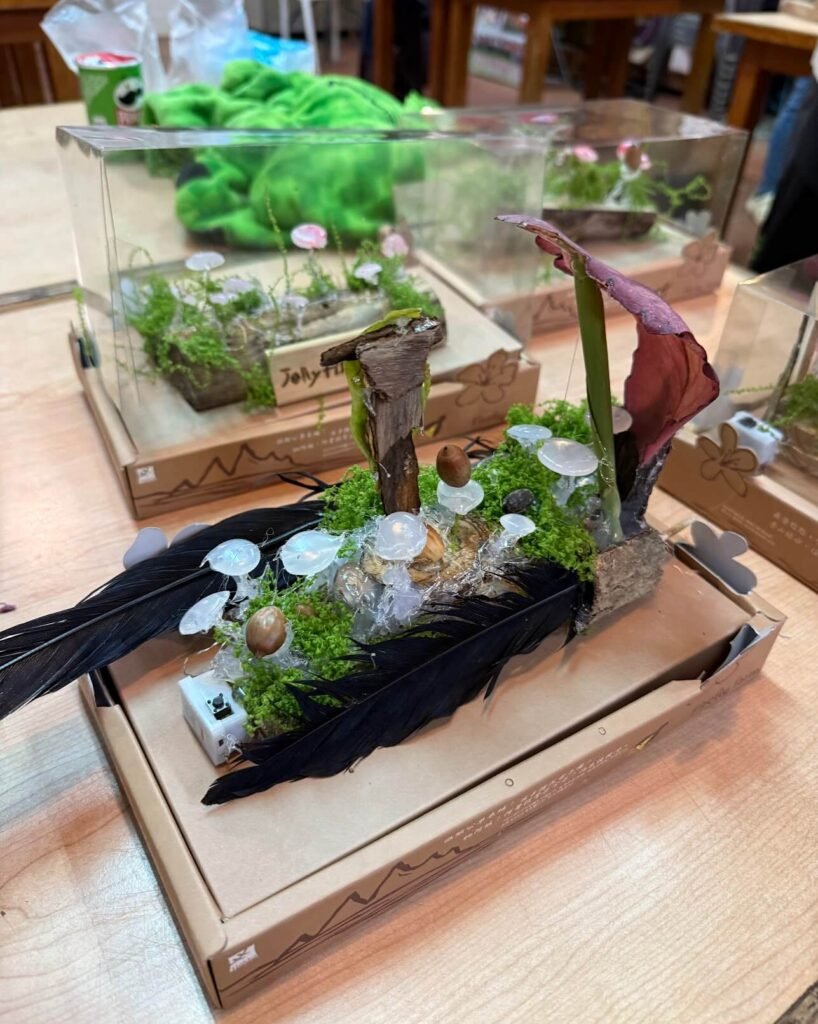
The day ended with lantern-making as the students leaned into their creativity, using the rest of the materials from the afternoon, creating masterful pieces of art unique to each individual. It is amazing to see how students can unleash their creativity even through simple activities, as each student’s lantern differs from each other.
Day 2
Challenge, Resilience & Teamwork
Today was a day full of moments that gently pushed students beyond their comfort zones — in the best way.
Tree Climbing & Slacklining
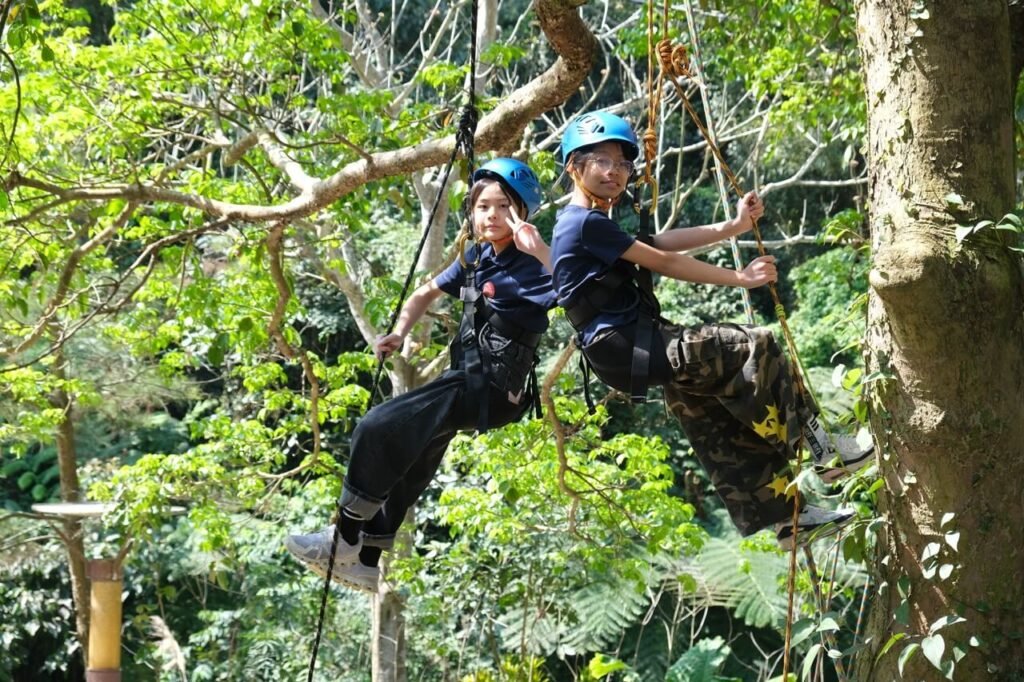
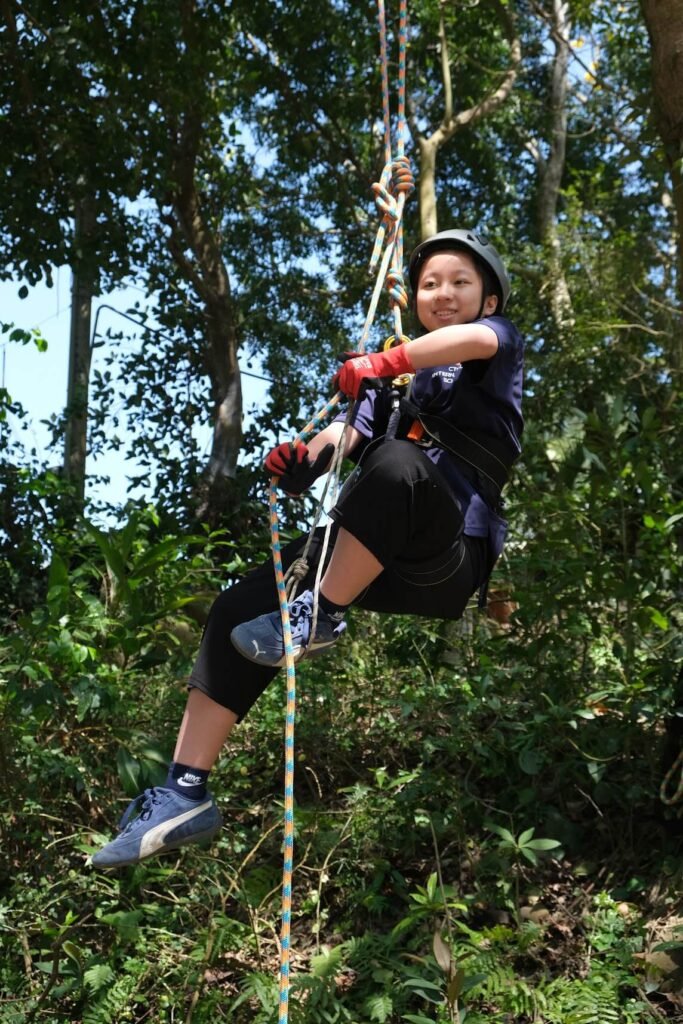
In the morning, students stepped into something completely new: a guided tree climbing experience. For many, it was their first time learning how to climb using ropes and proper techniques. Many students took to it quickly, climbing higher and higher, all the while supporting each other.
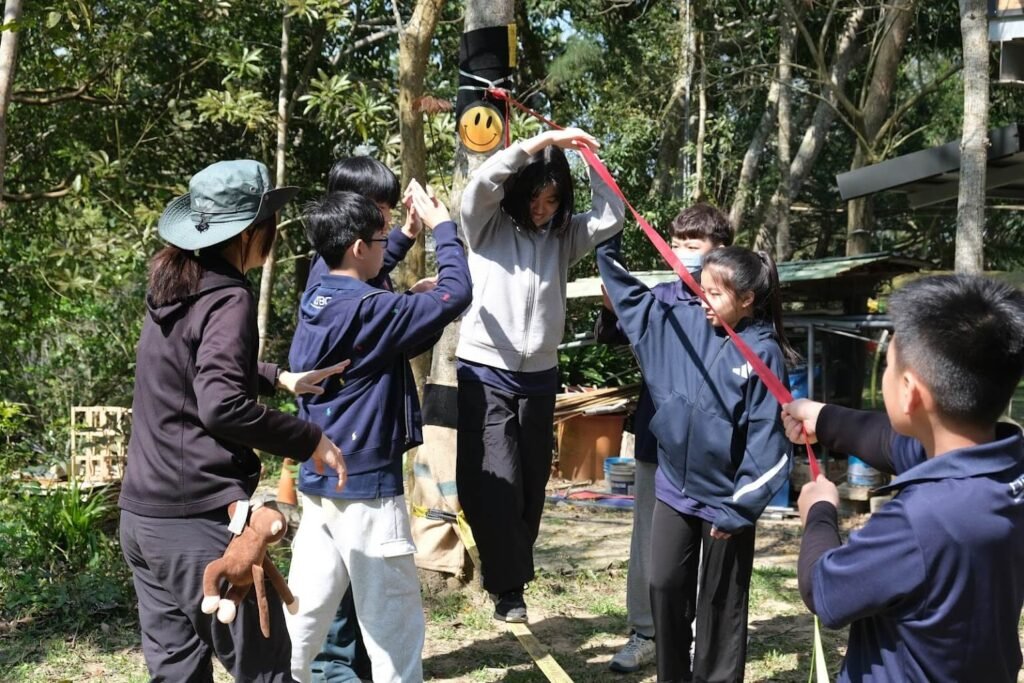
While half the group took to the trees, the other half stayed closer to the ground — but faced a challenge of their own. On the slackline, students tested their balance, focus, and patience. What stood out most wasn’t just the progress, but how they showed up for each other. A steadying hand, a word of encouragement, a shoulder to lean on — small moments that made it okay to struggle, and even more meaningful to succeed.
These activities became opportunities for students to build confidence, develop trust, and learn how to take risks in a safe and supportive environment — both individually and as a team.
Survival 101
The afternoon shifted into something a little more hands-on — and a little more challenging — as students stepped into their survival skills session.
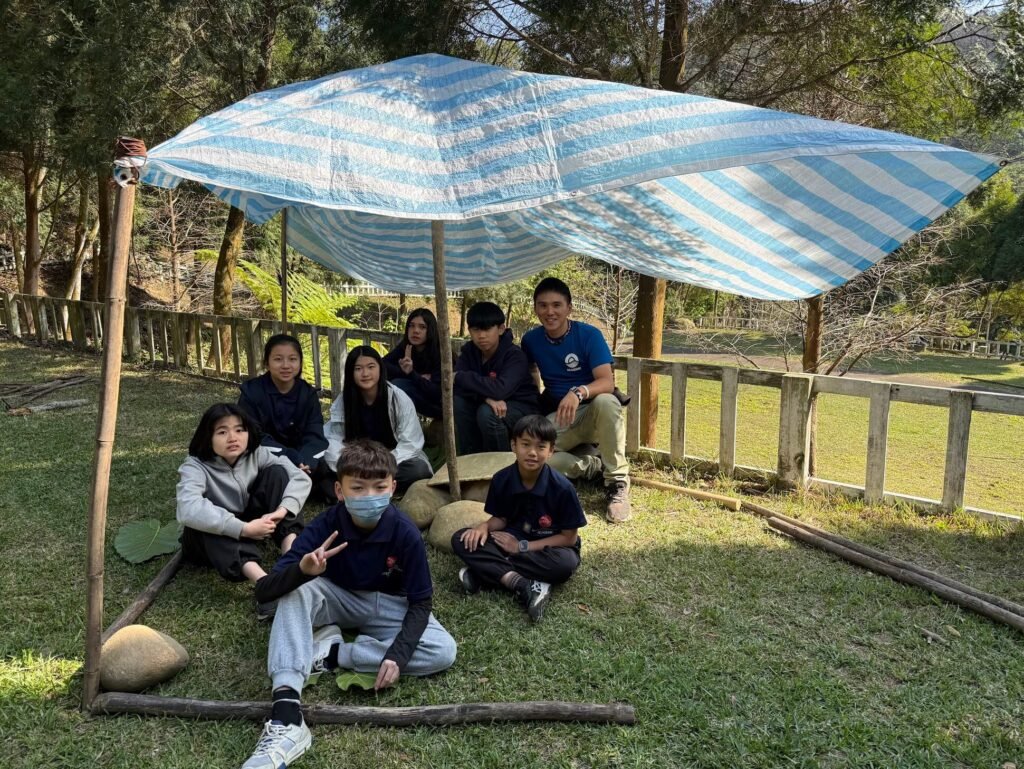
Working in small teams, they were tasked with building shelters, figuring out how to use the natural environment — along with a limited set of materials — in thoughtful and responsible ways. What started as a simple brief quickly turned into a test of problem-solving, adaptability, and teamwork.
At first, ideas came from all directions. Some students jumped straight into building, while others paused to observe and plan. Bamboo pieces were rearranged, structures were rebuilt, and along the way, teams had to make decisions together — sometimes quickly, sometimes after a bit of trial and error.
As one student shared, one of the biggest challenges wasn’t the physical task itself, but learning how to communicate effectively within their group and make sure everyone was aligned. It meant listening, adjusting, and sometimes stepping back to let others lead.
What made this activity so powerful was that there wasn’t a single “right” answer. Each team approached the challenge differently, and through that process, students began to understand the importance of clear communication, shared responsibility, and working toward a common goal.
Master Chef Cooking Challenge
The evening rounded out with one of our favorite activities: Master Chef Cooking Challenge!
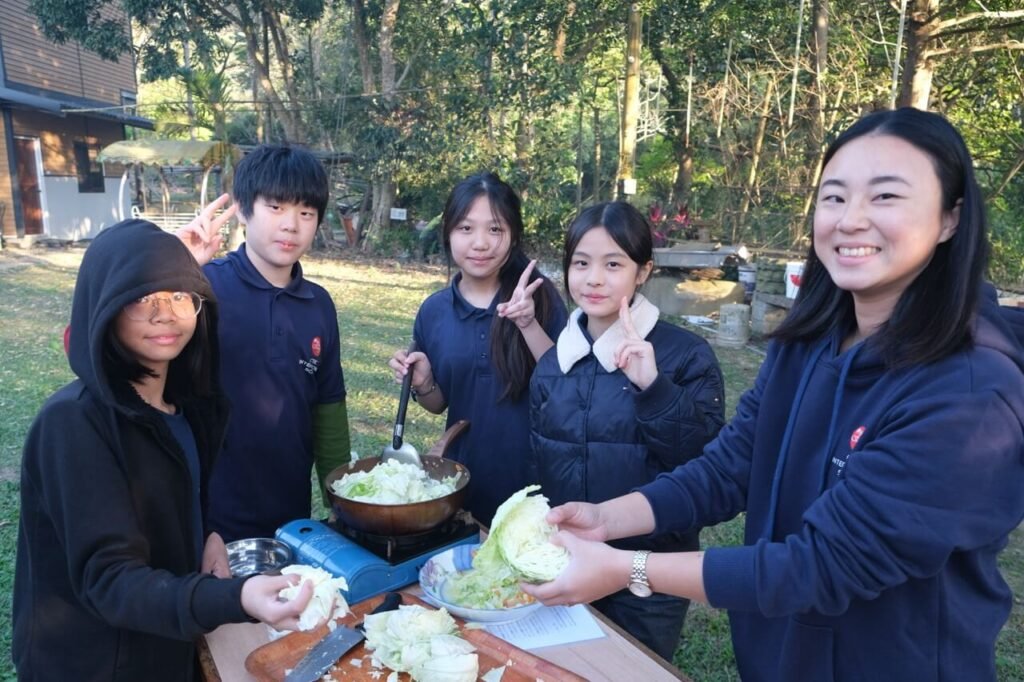
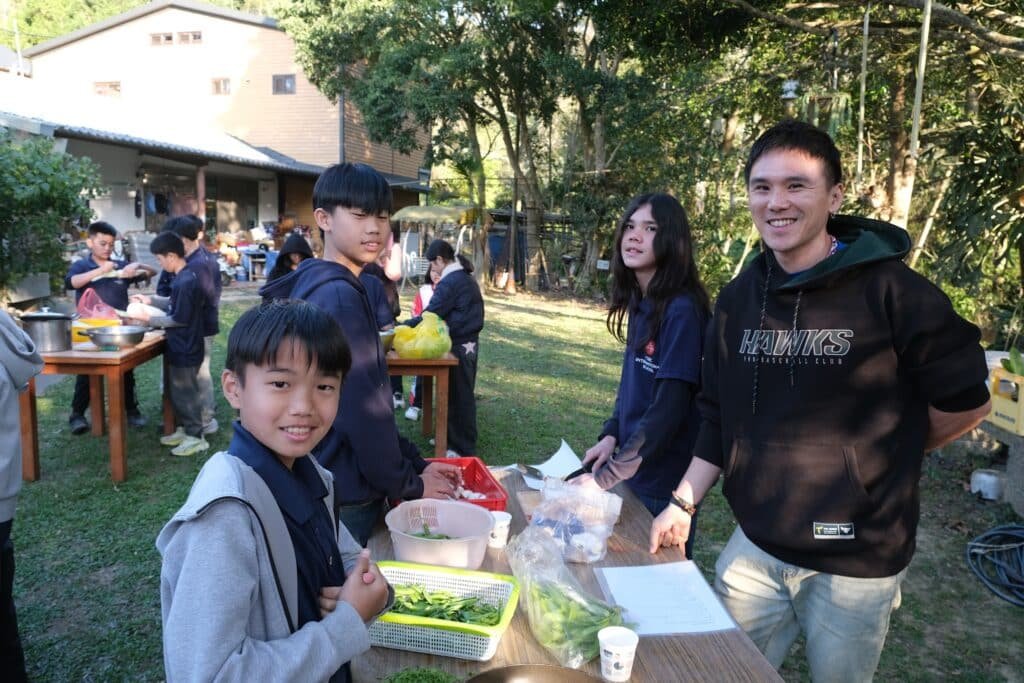
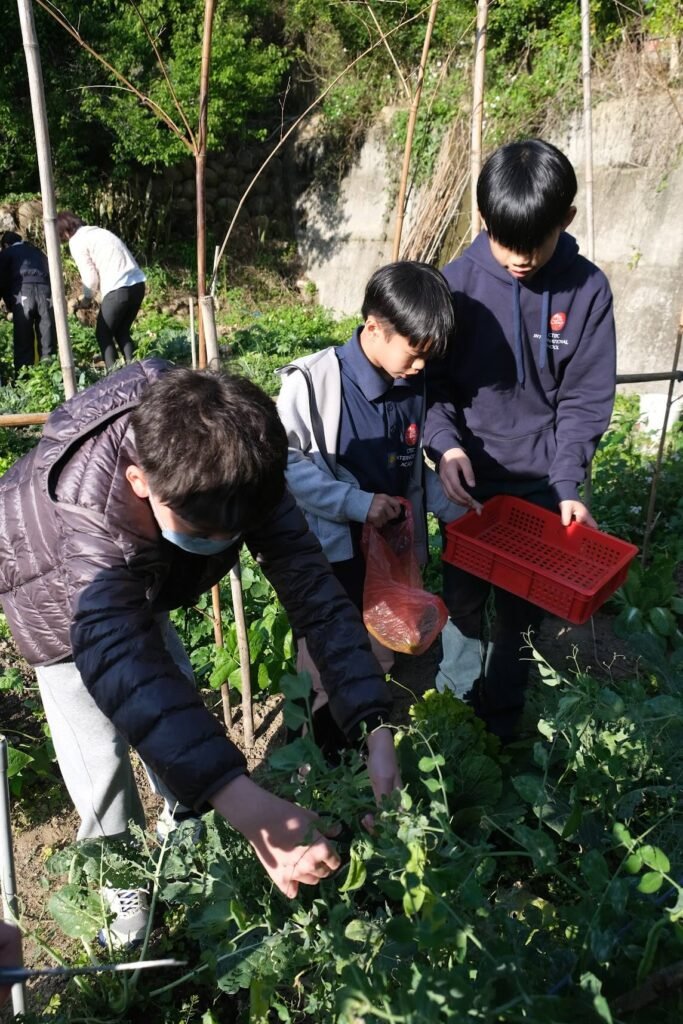
Working in small teams, students were given the responsibility to plan, prepare, and cook their own dishes from scratch. From gathering their ingredients (green beans & basil) from the garden, washing and chopping to managing heat and timing, every step required communication, coordination, and a bit of patience.
What stood out most came at the end — when everyone sat down to eat.
Students who might normally be picky eaters were suddenly eager to try everything on the table. There was a noticeable sense of pride as they shared what they had made, encouraging others to taste their dishes, and even sneaking in moments to sample the other team’s creations. Dishes that typically came back half-were cleared with enthusiasm.
Because this time, it wasn’t just food — it was something they had created themselves.
We saw teams problem-solve in real time, support each other through small mistakes, and celebrate the final result together. The process of cooking from scratch transformed the meal into something more meaningful — something that was earned.
In that moment, the kitchen became a space for connection, ownership, and confidence to grow.
Day 3
Meaningful Closure & Giving Back
Traditional Hakka Rice-Making
The final day focused on looking inwards and slowing down after the last 2 days of activities.
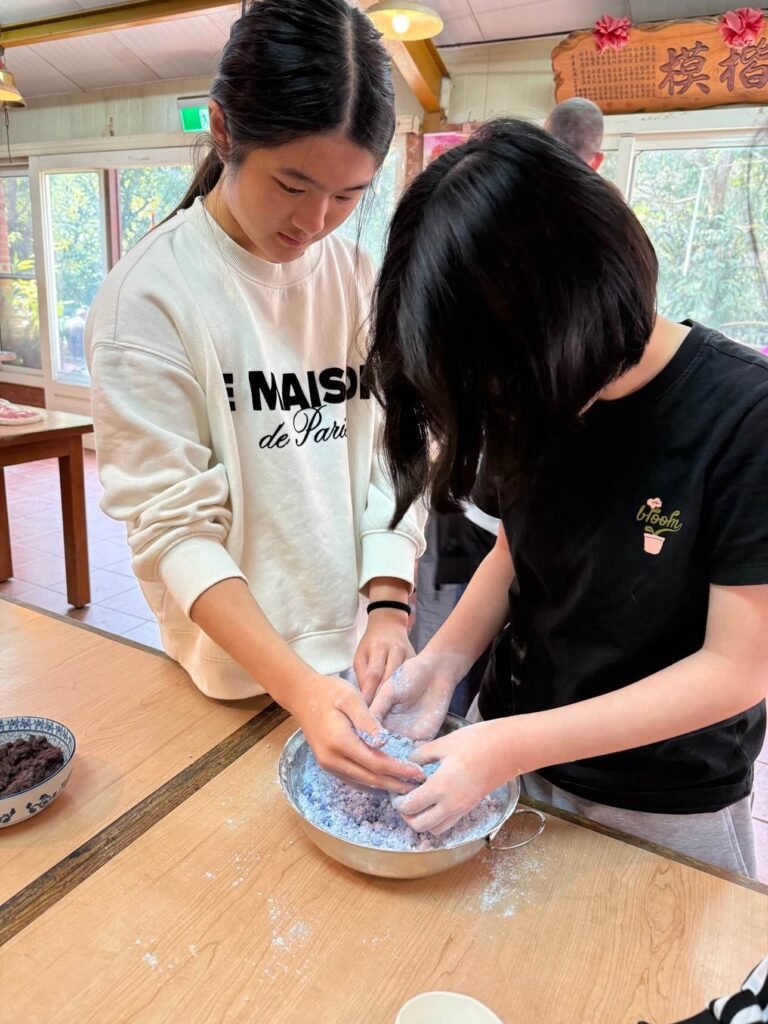
In Tongxiao, where Hakka culture runs deep, students had the opportunity to learn traditional Hakka rice-making — a practice that has been passed down through generations. Through this hands-on experience, they began to see how food carries history, identity, and a sense of belonging. It wasn’t just about making something to eat, but about stepping into a cultural rhythm that has shaped the local community for years.
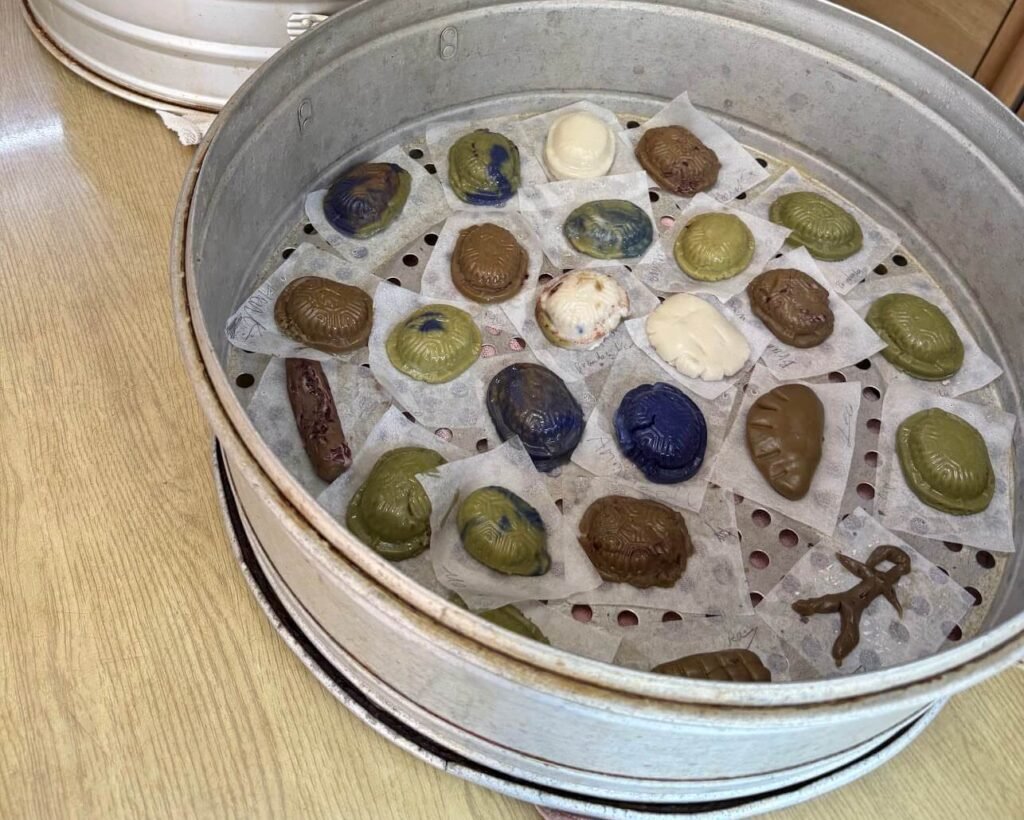
Learning the process from start to finish, the got thier hands in the dough, mixing and kneading their very own creations to take home.
Time-Capsule: Letter to Self
But perhaps the most meaningful moment to pause and reflect came when students were given the opportunity to write a letter to their future selves.
Sitting together, students were invited to pause and look back on their journey — not just the past three days, but their time as Grade 6 students and what they wanted to say to thier future selves. Through writing, drawing, and shared reflection, they captured memories, challenges, friendships, and moments they didn’t want to forget.
There was much silliness and laughter, but also a noticeable sense of thoughtfulness. Some took their time, carefully choosing what to include. Others went around collecting signatures/drawings from their classmates, becoming a collaborative picture capturing their 6th grade class. This was their recognition that this chapter of their lives was coming to an end.
The time capsules were about capturing the present, acknowledging growth, and the experiences that shaped them along the way.
Bringing Learning to Life
Trips like this aren’t just “nice to have” — they are a meaningful part of a well-rounded education.
They give students the opportunity to step beyond the classroom and…
- apply learning in real-world contexts
- hone their fine motor skills through outdoor activities such as tree-climbing and hiking
- develop as individuals outside of the traditional classroom setting and leaning into their strengths
- build confidence and life skills that can’t be taught through textbooks
- develop a deeper understanding of sustainability, community, and themselves
For schools and parents, the question isn’t if these experiences matter — it’s how often students are given the chance to have them.
Looking Ahead
As the trip came to a close, students left not just with stories to tell, but with a deeper sense of confidence, connection, and readiness for what comes next. This CTBC trip is just one example of what’s possible when learning moves beyond the classroom.
Across Taiwan, we continue to design programs that thoughtfully combine outdoor adventure, cultural immersion, and structured learning outcomes — each one intentionally crafted to create experiences that are not only memorable, but meaningful.
If you’re a teacher or school leader looking to create an experience like this for your students, we’d love to connect!
Stay updated